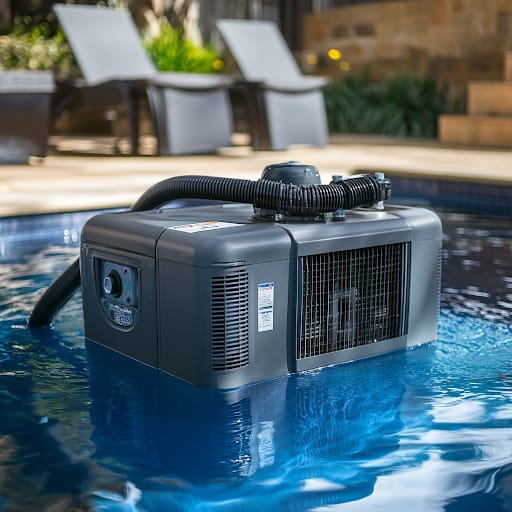
Essential Chemicals for a Pristine Pool: Your Quick Guide

Essential Chemicals for a Pristine Pool: Your Quick Guide
Your swimming pool is more than just a body of water—it's a portal to relaxation, joy, and endless summer memories.
But beneath this aquatic paradise lies a hidden world, one that requires your attention and care. As your guide through the mysterious realm of pool chemistry, I'm here to transform what might seem like an intimidating task into an enlightening adventure.
We'll explore the alchemy of chlorine and salt, unravel the mysteries of sanitizers and shock treatments, and discover the delicate balance that turns ordinary water into a sparkling lagoon.
We'll also dive into the practical aspects of pool maintenance, from decoding the perfect chemical cocktail for your aquatic retreat to understanding the investment required to keep your oasis in prime condition.
So, settle into your favorite lounge chair and prepare to become a master of pool chemistry. Your dream of a perpetually inviting, safe, and pristine swimming pool is about to become a sun-soaked reality!
Have you ever wondered about the secret ingredients that keep your pool crystal clear? Let's investigate the world of pool chemistry and the key differences between chlorine and saltwater pools.
Chlorine Pools: The Classic Choice
Chlorine pools are like the traditional recipe for pool maintenance. Here's what you need:
Chlorine (Trichlor tablets or Dichlor granules)
Shock treatment products
pH balancers
Algaecides (as needed)
Think of it as baking a cake from scratch – you're in control, but it requires more hands-on effort.
Saltwater Pools: The Modern Twist
Saltwater pools, on the other hand, are like using a bread machine. You add the main ingredient (salt), and the machine does the work:
Pool-grade salt (sodium chloride)
pH balancers
Occasional shock treatments
The salt chlorine generator converts the salt into chlorine, making it a more automated process.
The Bottom Line
While both types aim for the same result – a clean, safe pool – saltwater pools generally require less frequent chemical additions. However, both need regular testing and balancing to keep swimmers happy and healthy.
So, which pool type suits your lifestyle? The choice is yours but remember: whether it's chlorine or salt, the key to a perfect pool is consistent care and attention.
Dive into the world of pool maintenance with this simple guide to the must-have chemicals for your aquatic oasis!
Mineral Sanitizers: The Natural Approach
Uses silver and copper for a more eco-friendly option.
Reduces the need for traditional chemicals.
Works in combination with smaller amounts of chlorine or bromine.
Chlorine: The Pool Owner's Best Friend
Efficient and budget-friendly.
Comes in tablets, sticks, or granules.
Easy to use with chlorine feeders or direct application.
Bromine: The Hot Water Hero
Perfect for hot tubs and spas.
Longer-lasting than chlorine.
Gentler on skin and eyes.
Remember, every pool is unique! Experiment with these options to find the perfect balance for your backyard paradise. With the right chemicals, you'll be swimming in crystal-clear waters all season long!
Let's dive into the world of pool chemicals and make it as clear as your sparkling water should be!
Oxidizers: Your Pool's Superheroes
Think of oxidizers as the pool cleanup crew. They're like tiny janitors who sweep away all the yucky stuff swimmers leave behind—sweat, oils, and other icky organic materials. The most common oxidizers are chlorine and bromine. They work their magic by zapping these unwanted guests, keeping your pool clean and safe for everyone to enjoy.

Pool Shock: The Big Guns
Now, let's talk about pool shock. It's like giving your pool a power boost! When you shock your pool, you're basically throwing a chemical party to kill off any stubborn bacteria, algae, or other uninvited microscopic guests.
When to Shock?
At least once a week (it's like a spa day for your pool!)
After a rainstorm (Mother Nature can be messy)
Post-pool party (because humans are messy too)
If your water looks cloudy or starts turning green (yikes!)
Types of Pool Shock

Chlorine Shock (Calcium Hypochlorite): The tough guy of pool shocks. It's strong and works fast to kick algae's butt and sanitize your pool.

Non-Chlorine Shock: The gentler option. It's great for regular maintenance and helps your usual sanitizer work even better.
Remember, keeping your pool clean is about more than just dumping chemicals in it. It's about finding the right balance and knowing when to use the big guns (like shock) to keep your pool party ready.
Have you ever wondered what keeps your pool sparkling clean and swimmer-friendly? Let's explore the key players in pool water chemistry!
pH: The Goldilocks Zone
What it is: Measures acidity or alkalinity (0-14 scale)
Ideal range: 7.4 to 7.6
Balancers:
pH increasers (Soda Ash)
pH decreasers (Muriatic Acid or Sodium Bisulfate)
Alkalinity: The pH Bodyguard
What it is: Buffer against pH swings
Ideal range: 80-120 ppm
Balancer: Sodium Bicarbonate (aka baking soda)
Calcium Hardness: The Structural Supporter
What it is: Calcium content in water
Ideal range: 200-400 ppm
Balancer: Calcium Chloride (to increase)
Remember, balancing these elements is like a fun chemistry experiment – get it right, and you'll have the perfect pool paradise!
Algae's Worst Nightmare
Algaecides: Your pool's superhero against those pesky green invaders. Copper-based varieties pack an extra punch!
Crystal Clear Solutions
Clarifiers: Turn your filter into a microscopic debris magnet
Flocculants: Send particles to the pool floor for easy vacuuming
The Organic Matter Munchers
Enzyme cleaners: Say goodbye to oils, lotions, and waterline rings!
Maintenance Marvels
Filter cleaners: Keep your filtration system in top shape
Scale and stain removers: Banish unsightly mineral deposits
Pro Tip
Always follow manufacturer instructions. When used correctly, these chemical allies ensure your pool remains a sparkling oasis all summer long!
Have you ever wondered how to keep your pool sparkling clean without turning into a mad scientist? Let's dive into some simple yet crucial tips for handling pool chemicals safely. Trust me, it's easier than you think!
Read Those Labels (Yes, Really!)
It's not just fine print - those instructions are your pool's best friend. Think of them as a recipe for the perfect swim.
Dress for Success
Gloves and goggles aren't just for looks. They're your superhero costume against chemical splashes. Long sleeves? Even better!
Chemical Hide-and-Seek
Store your pool potions in a cool, dry place away from curious kids and pets. It's like giving each chemical its VIP room - no mixing allowed!
The Golden Rule: Chemicals First
Always add chemicals to water, not the other way around. It's like making the perfect cocktail - you wouldn't pour the glass into the shaker, right?
Handle with Care
Open containers carefully and use clean scoops. It's not a witch's brew - no need for cross-contamination!
No Chemistry Experiments
Different chemicals are like cats and dogs - they don't always play nice together. Keep them separate to avoid any pool party disasters.
Oops! Clean Up Time
Spills happen. Clean them up pronto but safely. It's not a job for bare hands!
Night Owl Pool Care
Shocking your pool? Do it after dark. It's like a midnight snack for your pool - more effective when the sun's not watching.
Let's dive into the world of pool chemicals without getting too deep.
Know Your Pool
First things first:
How big is your pool?
What's already in the water?
These two factors are key to keeping your pool sparkling clean and swim-ready.
Test, Test, Test!
Think of your pool like a science experiment (but way more fun). Test your water at least once a week during swim season. You can use:
Test strips
Digital testers
Fancy kits for the chemistry buffs
These tests tell you about pH, alkalinity, and sanitizer levels. Some even check for calcium hardness and cyanuric acid.
Size Matters
Bigger pool = More chemicals. It's that simple!
Not sure about your pool size? Here's a quick trick for rectangular pools:
Length x Width x Average Depth x 7.5 = Pool Volume in Gallons
Adding Chemicals: A Real-Life Example
Let's say you have a 20,000-gallon pool with low chlorine. To restore it to normal, you'll need about 2 pounds of pool shock.
The Art of Pool Chemistry
Remember, balancing your pool is part science, part art. You'll get better with practice. Just be patient and keep at it!
As a pool owner, you're not just investing in endless summer fun and backyard luxury—you're also signing up for a chemical cocktail that keeps your aquatic oasis pristine. But have you ever wondered about the true cost of that sparkling blue water? Let's dive into the world of pool chemicals and uncover the financial ripples they create.
Chlorine Pools: The Classic Chemical Conundrum
Picture this: a 20,000-gallon pool, the average size in the United States, basking under the summer sun. For this aquatic haven, your monthly chemical bill might look something like this:
Chlorine: $60-$80 (more during those scorching summer months)
Shock treatments: $15
pH balancers and other essentials: $2-$4
Specialty chemicals: $2-$4 (for those unexpected algae invasions)
Annually, you're looking at a chemical investment of $540-$800. That's the price of crystal-clear memories and worry-free swims.
Saltwater Pools: A Different Kind of Splash
Now, let's switch gears to saltwater pools. These modern marvels might seem like a more natural choice, but they come with their financial flavor:
Annual chemical costs: $70-$100
Sounds like a bargain, right? But don't forget the initial equipment costs and occasional salt purchases. It's a long-term game of savings.
The True Value of Pool Maintenance
Remember, these numbers are as fluid as the water in your pool. Factors like climate, usage, and local prices can cause ripples in your expenses. But here's the real secret: consistent maintenance is your best friend. It's the difference between a refreshing dip and a murky money pit.
So, the next time you're floating on your pool lounger, take a moment to appreciate the invisible work happening beneath the surface. Those chemicals aren't just keeping your pool clean—they're preserving your aquatic investment, one molecule at a time!
So there you have it, pool owners! With the right chemical cocktail, you'll be swimming in crystal-clear bliss all season long. Remember, maintaining your pool isn't rocket science – it's pool science! Keep these essentials on hand, and you'll be the envy of every backyard bash.
Now dive in and make a splash with your newfound chemical know-how. Your pool will thank you, and so will your sun-soaked, happily swimming guests!
Join our exclusive email community today and unlock the following:
Splash-worthy discounts on top-tier pool chemicals and equipment
Insider tips from pool pros that you won't find anywhere else
Personalized advice to keep your pool sparkling clean all season long
By signing up now, you're not just saving money – you're investing in countless refreshing dips and poolside memories.