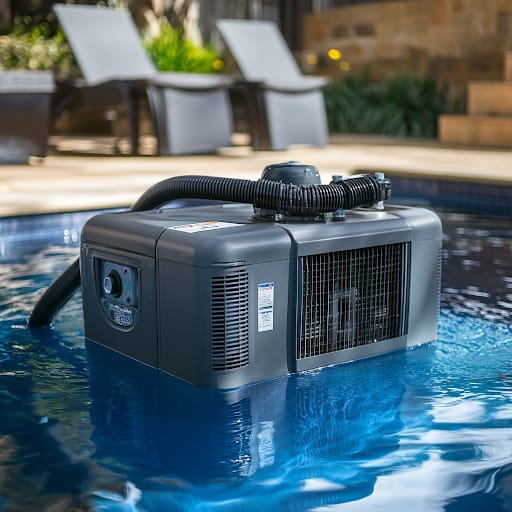
How a Salt Water Pool System Works: Clean, Simple, Smart

As a homeowner, your swimming pool is more than just a luxury; it's a vital part of your home that requires care and attention. With the rising popularity of saltwater pools, many are making the switch from traditional chlorine systems for a gentler, low-maintenance experience. However, this transition brings new responsibilities.
Consider this your comprehensive guide to saltwater pool systems. We’ll explore essential components like chlorine generators, demystify how these systems operate, and equip you with the knowledge needed for effective maintenance.
In the following sections, we’ll compare saltwater pools to traditional chlorine systems, discuss their advantages and disadvantages, and address your most pressing questions. By the end, you'll not only understand how to maintain your saltwater pool but also gain valuable insights that may surprise you!
Let’s explore one of the key players in a saltwater pool system: the chlorine generator. Think of this device as the unsung hero of your backyard paradise. It often doesn’t get the credit it deserves, but it works hard to keep your pool water clear and free from bacteria.
What is a Chlorine Generator?
Also known as a salt cell or salt generator, this equipment uses a process called electrolysis to convert the salt (sodium chloride) in your pool water into chlorine. Imagine it as your pool's magical alchemist, turning ordinary salt into the cleaning power of chlorine!

The Power of Free Chlorine
The chlorine produced isn’t just any type; it’s free chlorine—the active kind that effectively eliminates algae, bacteria, and other unwanted contaminants in your pool.
In short, the chlorine generator acts like a caring parent for your pool, constantly cleaning up after all the fun and ensuring the water remains safe and inviting. Unlike traditional chlorine pools, where you need to add chlorine manually, a saltwater system continuously generates it. This means less hassle and more time for you to enjoy your pool!
What’s Next?
Stay tuned as we dive deeper into how this process works and the science behind it. Don’t worry; I’ll keep it simple! Understanding these details can help you troubleshoot any issues, optimize your pool maintenance, and enjoy your swimming experience with peace of mind.
Saltwater pool systems offer a unique and efficient way to keep your pool clean and sparkling. Here's a simple breakdown of how they work:
The Salt Solution
Imagine your pool filled with water that's just slightly salty - about as salty as a teardrop. This mild salt solution is the key to the whole system.
The Magic Box
At the heart of the system is the salt chlorine generator, often called the "salt cell." This device is like a mini chemical factory for your pool.
The Transformation Process
As pool water flows through the salt cell, something amazing happens:
1. Electrolysis: An electric current passes through the saltwater, breaking it down.
2. Chlorine Creation: This process produces hypochlorous acid - the same sanitizing agent found in traditional chlorine pools.
3. Cleaning Cycle: The newly created chlorine cleans the pool, killing bacteria and algae.
4. Recycling: After cleaning, the chlorine converts back to salt, and the cycle begins again.
The Benefits
- Low Maintenance: Once set up, the system largely takes care of itself.
- Gentle on Skin and Eyes: Many swimmers find saltwater pools more comfortable.
- Cost-Effective: While there's an initial investment, you'll save on chlorine in the long run.
A Self-Sustaining System
Think of your saltwater pool as a mini recycling plant. You add salt once, and the system keeps working, breaking down and reforming the salt to keep your pool clean. It's like having a tireless pool boy working 24/7 without the need for constant supervision.
While it's not completely hands-off (you'll still need to check chemical levels occasionally), a saltwater system can significantly simplify your pool maintenance routine, giving you more time to enjoy your sparkling, clean pool.
In the realm of aquatic luxury, saltwater pool systems have emerged as a tantalizing alternative to traditional chlorine pools. As the gentle waves of this trend wash over the swimming pool industry, let's consider the benefits that homeowners and pool enthusiasts alike sing their praises.
A Soothing Embrace for Body and Soul
Imagine slipping into waters that caress your skin like silk, leaving you feeling refreshed and rejuvenated. Saltwater pools offer a gentler swimming experience, with their lower chlorine content being kinder to your eyes and skin. The natural softening effect of salt leaves your skin feeling smooth and moisturized, transforming your daily swim into a spa-like indulgence.
Nature's Purification: Effortless Maintenance
Picture a pool that practically maintains itself, freeing you from the tedious task of regularly adding chemicals. Saltwater systems harness the power of salt electrolysis, generating chlorine as needed. This natural process not only simplifies maintenance but also reduces your pool's environmental footprint, making it an eco-conscious choice for the discerning homeowner.
A Feast for the Senses
Close your eyes and inhale deeply. Notice the absence of that harsh, chemical odor typically associated with pools. Saltwater systems banish the overpowering chlorine smell, replacing it with a subtle, fresh scent that enhances your poolside experience. The result is a more inviting atmosphere that beckons you to linger longer by the water's edge.
Financial Wisdom: Long-Term Savings
While the initial investment in a saltwater system may seem daunting, savvy homeowners recognize the potential for significant long-term savings. With salt being more affordable than traditional chlorine and reduced maintenance needs, your wallet will thank you in the years to come. It's an investment in both luxury and practicality.
The Whisper of the Ocean, in Your Backyard
There's something undeniably alluring about the idea of bringing a touch of the ocean to your home. Saltwater pools offer a unique swimming experience that mimics the feel of natural bodies of water, creating a serene oasis in your backyard. It's a daily escape, a moment of tranquility in the midst of busy lives.
In embracing saltwater pool systems, homeowners are not just choosing a pool; they're selecting a lifestyle. It's a choice that promises gentler swimming experiences, easier maintenance, and a more natural approach to pool care. As this trend continues to make waves, it's clear that saltwater pools are more than just a passing fancy—they're a refreshing revolution in the world of aquatic enjoyment.
Saltwater pool systems, while popular, come with several potential drawbacks that are worth considering:
Higher Initial Investment
Saltwater pool systems require a significant upfront cost compared to traditional chlorine pools. The installation of a saltwater chlorinator and related components can be relatively expensive, with costs ranging from $500 to $2,500.This higher initial investment may be a deterrent for some pool owners despite potential long-term savings on maintenance.
Corrosion Risks
One of the primary concerns with saltwater pools is the corrosive nature of salt. Over time, salt can damage metal components in and around the pool, including:
- Ladders and handrails
- Light fixtures
- Pump seals
- Heaters
- Diving board brackets
This corrosion can weaken structures and eventually require repairs or replacements. Additionally, salt water can potentially stain or damage surrounding patio stones and decking.
Specialized Maintenance and Repairs
While saltwater pools generally require less frequent maintenance, they introduce new complexities:
- Salt cells in the chlorinator system may need replacement every few years.
- The system requires regular monitoring of pH, alkalinity, and salt levels.
- Repairs often necessitate specialized technicians with experience in saltwater systems.

Environmental Considerations
Saltwater pools may have some environmental drawbacks:
- The corrosive nature of salt can potentially impact nearby plants and landscaping.
- Disposing of salt water can be problematic in some areas, as it may affect local ecosystems.
Limited Compatibility
Some pool accessories and equipment may not be compatible with saltwater systems, limiting options for pool owners. This can be particularly problematic when replacing or upgrading pool components.
By understanding these potential drawbacks, pool owners can make informed decisions about whether a saltwater system is the right choice for their specific situation and needs.

Imagine you're throwing a pool party. Which system will be your MVP (Most Valuable Pool)?
Salt Water Pools: The Cool Kid on the Block
Consider this: you're floating in silky-smooth water that feels like a gentle hug. That's the saltwater pool experience! These systems are like having a tiny chemist working 24/7 in your pool. They take a pinch of salt and, through some pool magic (okay, it's actually electrolysis), turn it into chlorine. It's like your pool is making its sanitizer smoothie!
Chlorine Pools: The Classic Crowd-Pleaser
Now, let's chat about the OG of pool systems - chlorine. It's been keeping pools clean since your grandparents were doing cannonballs. You simply toss in some chlorine (tablets, liquid, or granules - dealer's choice), and voila! Clean pool. It's like adding seasoning to your pool soup.

Maintenance Madness: Who's the Winner?
- Salt Water: The Low-Maintenance Lover
Saltwater pools are like that friend who's always chill. They need a check-up now and then, but mostly, they've got things under control. You might need to add a dash of salt occasionally, like once a year. It's as easy as salting your fries!
- Chlorine: The High-Maintenance Hottie
Chlorine pools, on the other hand, are a bit needier. They're like a pet that needs regular feeding and attention. You'll be testing the water and adding chemicals more often than you change your Netflix password.
The Comfort Contest
- Salt Water: The Spa Experience
Swimming in a saltwater pool feels luxurious. Your skin will thank you, your eyes won't turn red, and your hair won't turn green. Plus, no more "Eau de chlorine" perfume!
- Chlorine: The Clean Machine
Chlorine pools are great at killing germs, but they can be a bit harsh. Your eyes might sting, your skin might feel dry, and you might smell like you've been disinfected.
The Money Talk
- Salt Water: The Long-Term Investment
Saltwater systems cost more upfront, but they're like buying in bulk - cheaper in the long run. You'll save on chemicals, but remember, salt cells need replacing every few years.
- Chlorine: The Budget-Friendly Option
Chlorine systems are cheaper to install, but ongoing chemical costs can add up. It's like buying individual snacks instead of the family-size pack.
So, which pool party are you throwing? The laid-back saltwater soiree or the classic chlorine shindig? Either way, you're in for a good time!
Homeowners often have a multitude of inquiries regarding saltwater pools. Over time, certain questions tend to resurface. Let’s delve into these frequently asked questions, providing detailed answers to illuminate the topic.
Does my saltwater pool taste salty?
A prevalent myth is that saltwater pools have a distinctly salty taste. In reality, while the salt concentration in these pools is indeed higher than in traditional chlorine pools, it is significantly lower than that of ocean water—approximately ten times less. Consequently, you can enjoy a refreshing swim without the briny aftertaste associated with the sea.
Does a saltwater pool system require less maintenance?
Saltwater pools generally demand less hands-on maintenance compared to their chlorine counterparts. This is due to the chlorine generator's ability to produce and add chlorine to the water continuously. However, they are not entirely maintenance-free; regular testing and adjustments of chemical levels remain essential for optimal pool conditions.
Will the salt erode my pool equipment or surface?
When properly maintained, saltwater pools pose minimal risk to pool equipment or surfaces. Consistent care ensures that your pool's finish and components remain intact. However, caution should be exercised with materials like certain stones or metals that may not be salt-resistant, as they could be susceptible to damage.
Are saltwater pools more expensive to maintain?
Initially, the installation of a chlorine generator may make saltwater pools appear more costly. Nevertheless, over time, the financial benefits become evident. The elimination of costly chlorine treatments in a saltwater system significantly reduces ongoing expenses.
Are saltwater pools safer?
Saltwater pools enhance safety by generating chlorine from salt, thus removing the need to handle and store hazardous chlorine compounds. This method typically results in more stable chlorine levels, minimizing strong odors and skin irritations often associated with traditional chlorinated pools.
By addressing these common queries, homeowners can gain a clearer understanding of the benefits and considerations associated with saltwater pools, making informed decisions about their aquatic retreats.
Ultimately, your choice between a saltwater or chlorine pool hinges on your unique circumstances and lifestyle. Remember, every pool journey has its challenges, but once you’re floating blissfully, you'll know it was worth it.
Just like your pool, our newsletter is packed with value! Sign up now for exclusive maintenance tips and tailored advice for your specific pool needs. Don’t miss out—become part of our community of happy pool owners today!